
01 · Electricity
Firm, around-the-clock power
Clean dispatchable baseload delivered to the national grid at a tariff materially below incumbent fossil-fuel generation cost — and not dependent on imported fuel.
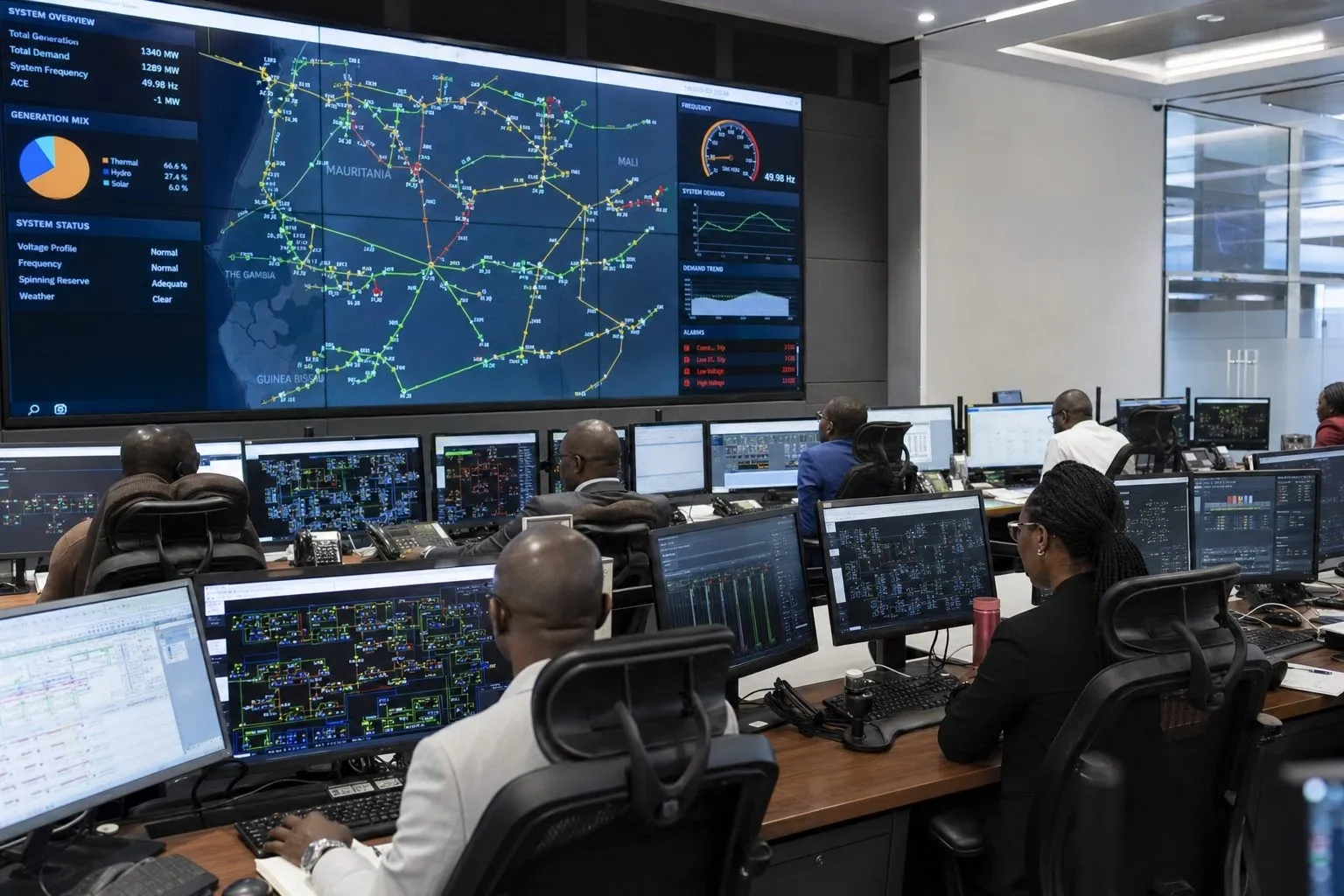
One class of infrastructure that turns a city's waste problem into its power supply — and a multi-decade source of clean, dispatchable electricity for the grid.
Wherever a city is growing faster than its grid and faster than its landfills, the power deficit and the waste crisis share infrastructure economics. One combined complex delivers clean dispatchable electricity and a permanent waste solution — at a fraction of the cost of solving each problem separately.
Clean dispatchable baseload, permanent waste diversion, and durable multi-decade operating performance — delivered under a single program structure or as standalone tracks.
Clean dispatchable baseload delivered to the national grid at a tariff materially below incumbent fossil-fuel generation cost — and not dependent on imported fuel.
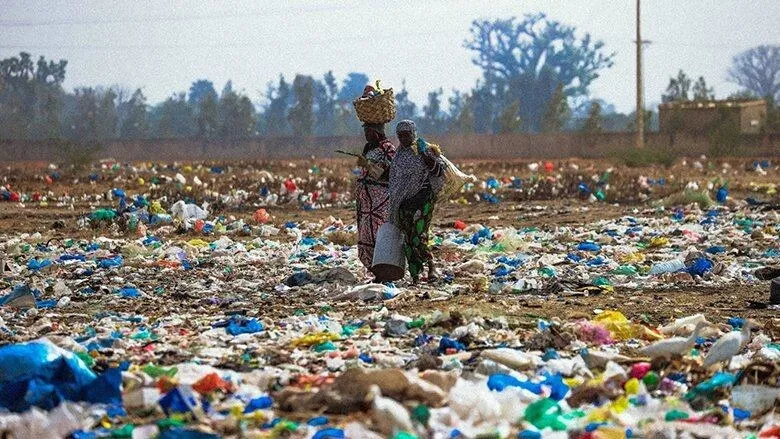
Permanent processing of the urban waste stream — open dumps closed, plastics out of drainage canals, and an end to the seasonal flooding caused by clogged stormwater systems.
Construction roles during build, permanent operations roles at commercial operation, and indirect jobs across waste collection, logistics, and supply — paired with university workforce development programs.
Long-horizon, inflation-indexed revenue to the municipal authority, corporate tax revenue to the state once any statutory incentives phase out, and customs revenue on operational consumables.
Verified emissions reductions registered to international standards — a sovereign asset of the host country, with a meaningful share of carbon revenue flowing back to the treasury.
National-scale infrastructure built and operated at private cost — a clean, dispatchable asset the country will own the legacy of for a generation.
A cleaner urban environment people are proud to live in. Reliable power that doesn't depend on imported fuel. New jobs across construction, operations, and the supply chain. Long-term revenue to the public purse. A multi-decade asset the country owns the legacy of.
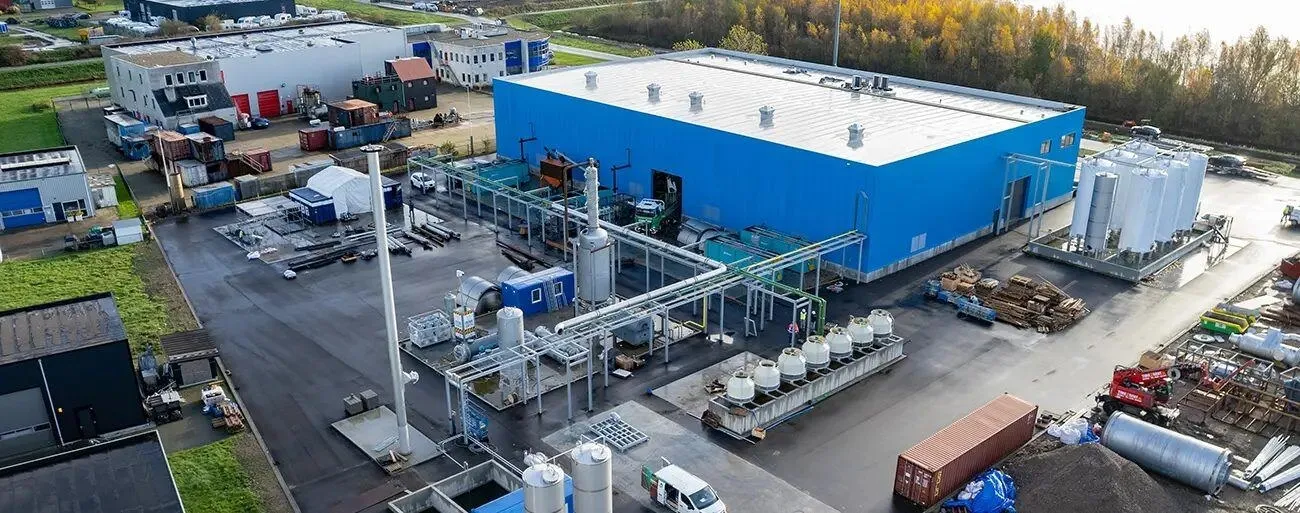
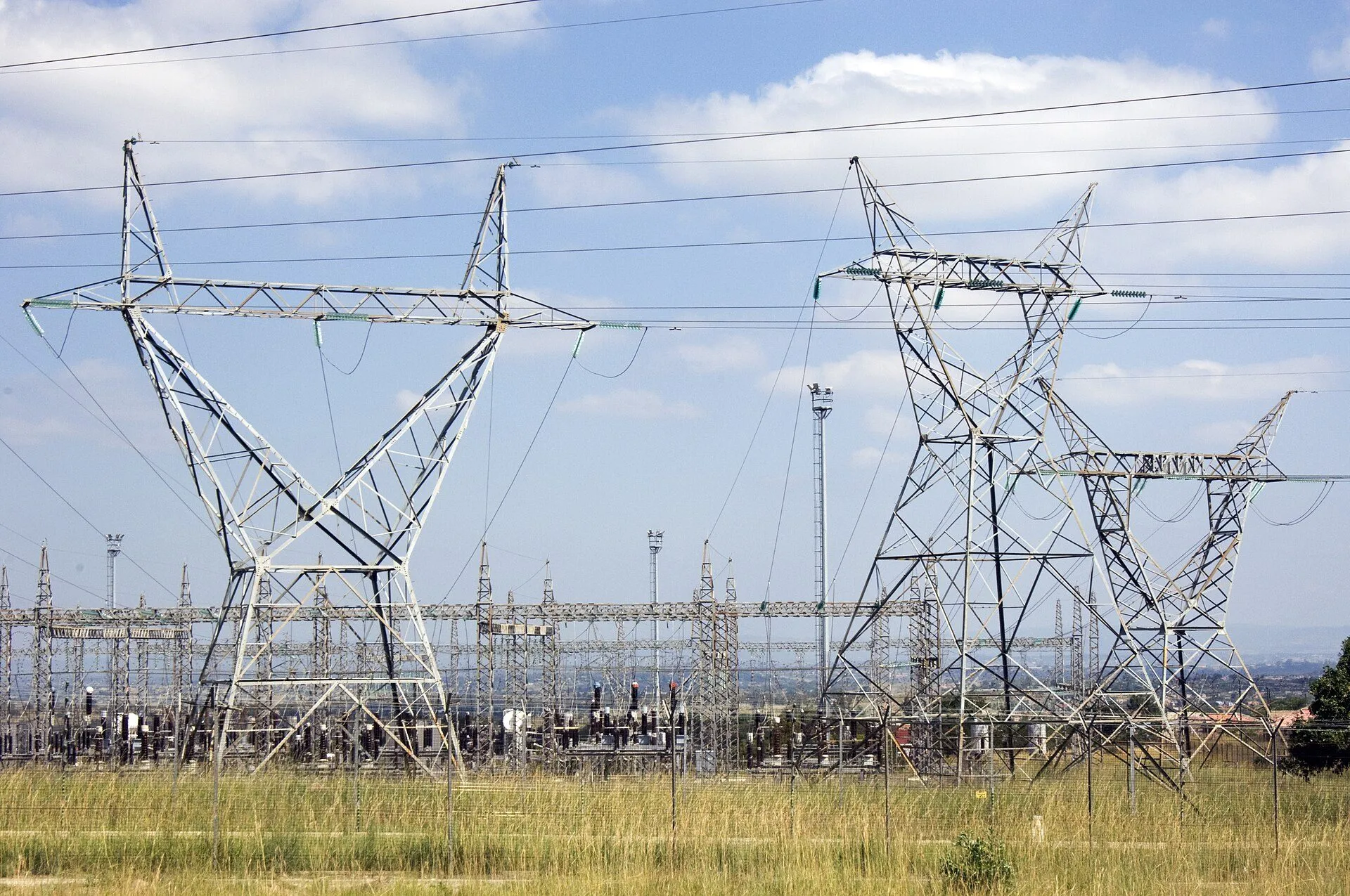
Modernize and operate energy systems to improve reliability, resilience, and long-term performance.
Explore Energy Infrastructure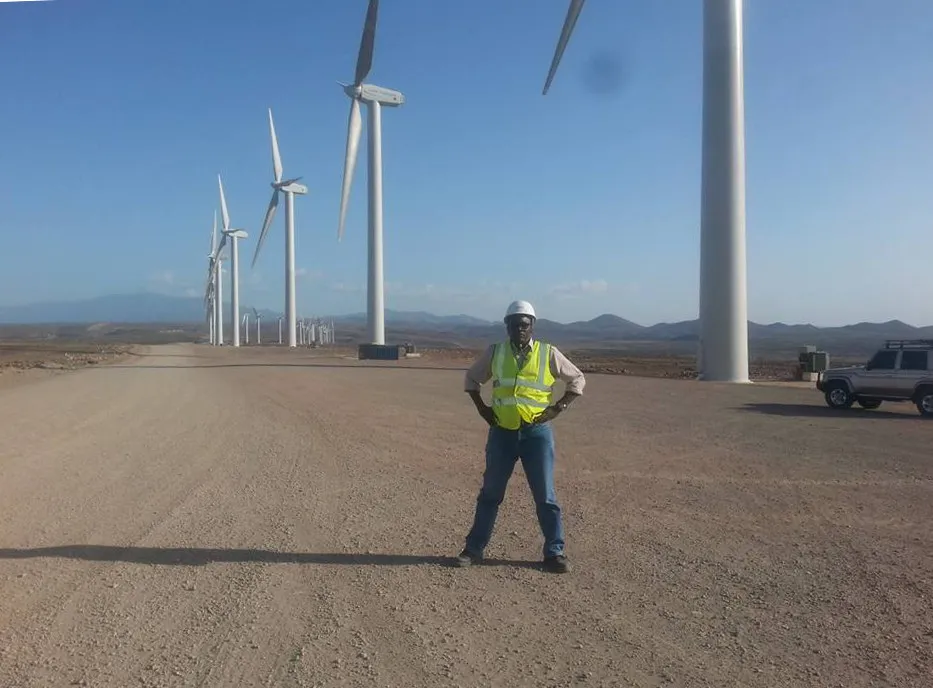
Deliver scalable renewable programs with disciplined execution and operational readiness.
Explore Renewables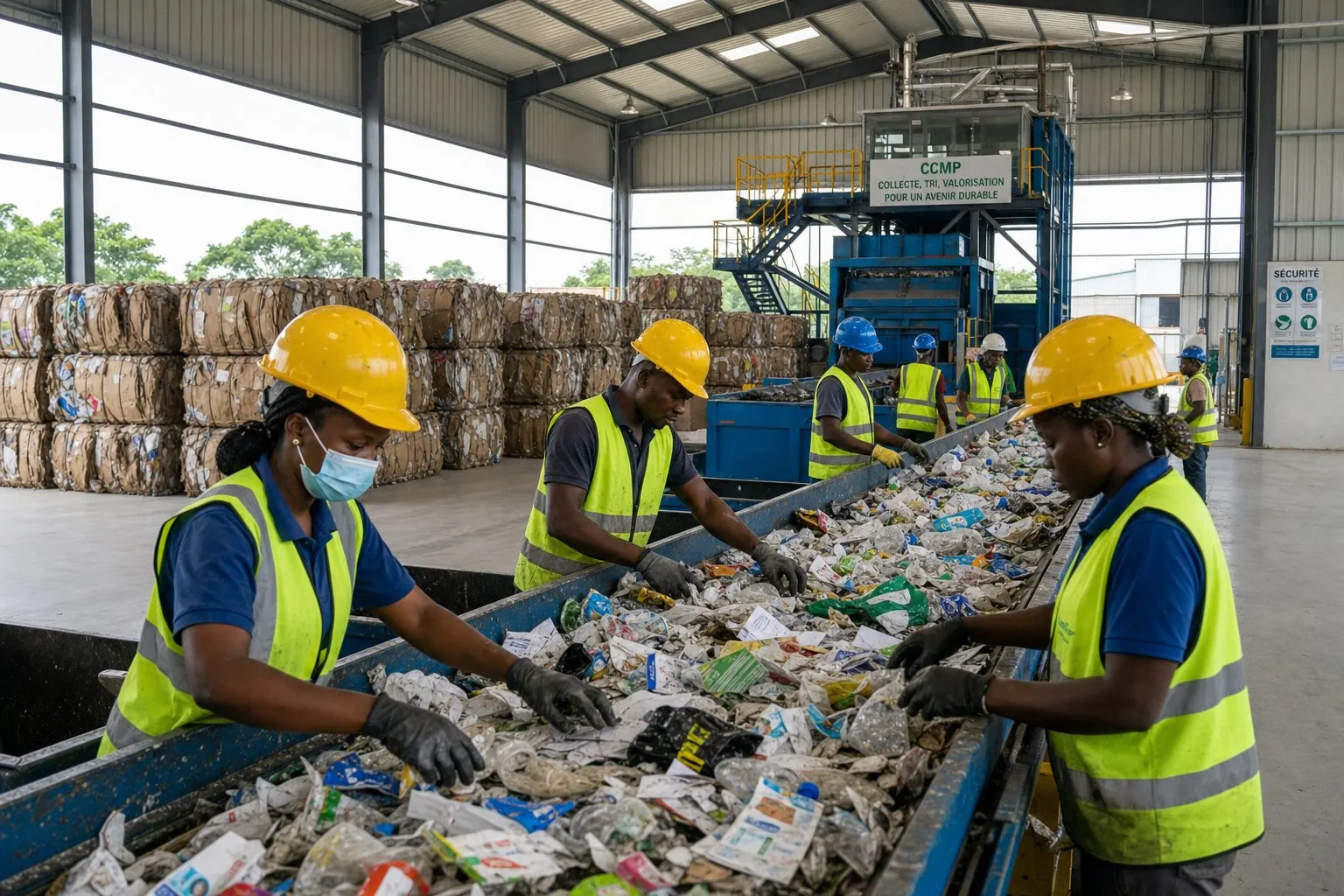
Build modern waste systems that improve public health, efficiency, and environmental outcomes.
Explore Waste & RecyclingDeploy solutions, data centers, and command centers that improve visibility, coordination, and performance.
View sectorAlign funding relationships and delivery readiness to move projects from plan to execution.
View sectorStrengthen water quality, reuse, and watershed health through lifecycle-focused delivery and operations.
View sector