Skip to content

Water treatment and reclamation that holds the quality standard.

PGP delivers water infrastructure improvement programs — treatment, distribution, and service reliability — built around water quality compliance and lifecycle operating performance, not just construction.

Overview

Water quality is an operating discipline, not a commissioning event.

The hardest part of a water program isn't building the plant — it's holding the quality standard at the tap, reducing non-revenue water through the distribution network, and keeping treatment compliant and operators trained year after year. That's where our delivery model lives.

Outcome focus

Compliant water quality, reliable service delivery, and improved system performance over the full operating life.

What we deliver

  • Water infrastructure improvement programs — distribution, treatment, and service reliability
  • Treatment plant modernization, process optimization, and compliance programs
  • Water reclamation and reuse — wastewater recovery for industrial and municipal demand
  • Non-revenue water reduction — metering, leak management, and pressure-zone discipline
  • Distribution network modernization and operating performance management
  • Operational readiness and workforce training for utilities and plant operators
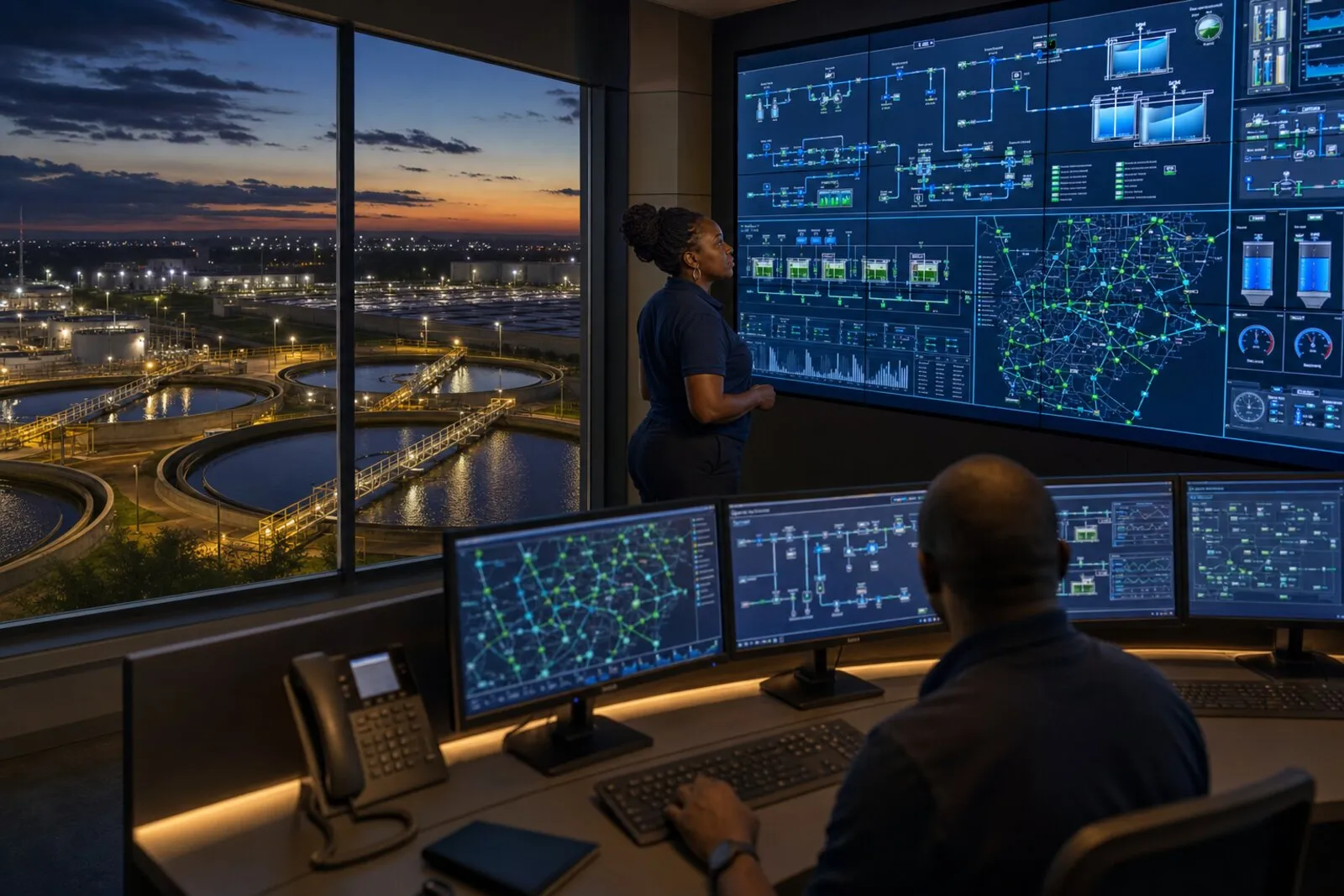
  • Technology enablement — SCADA, quality monitoring, and service management

Watershed restoration

Rivers and streams — restored, monitored, and held to a standard.

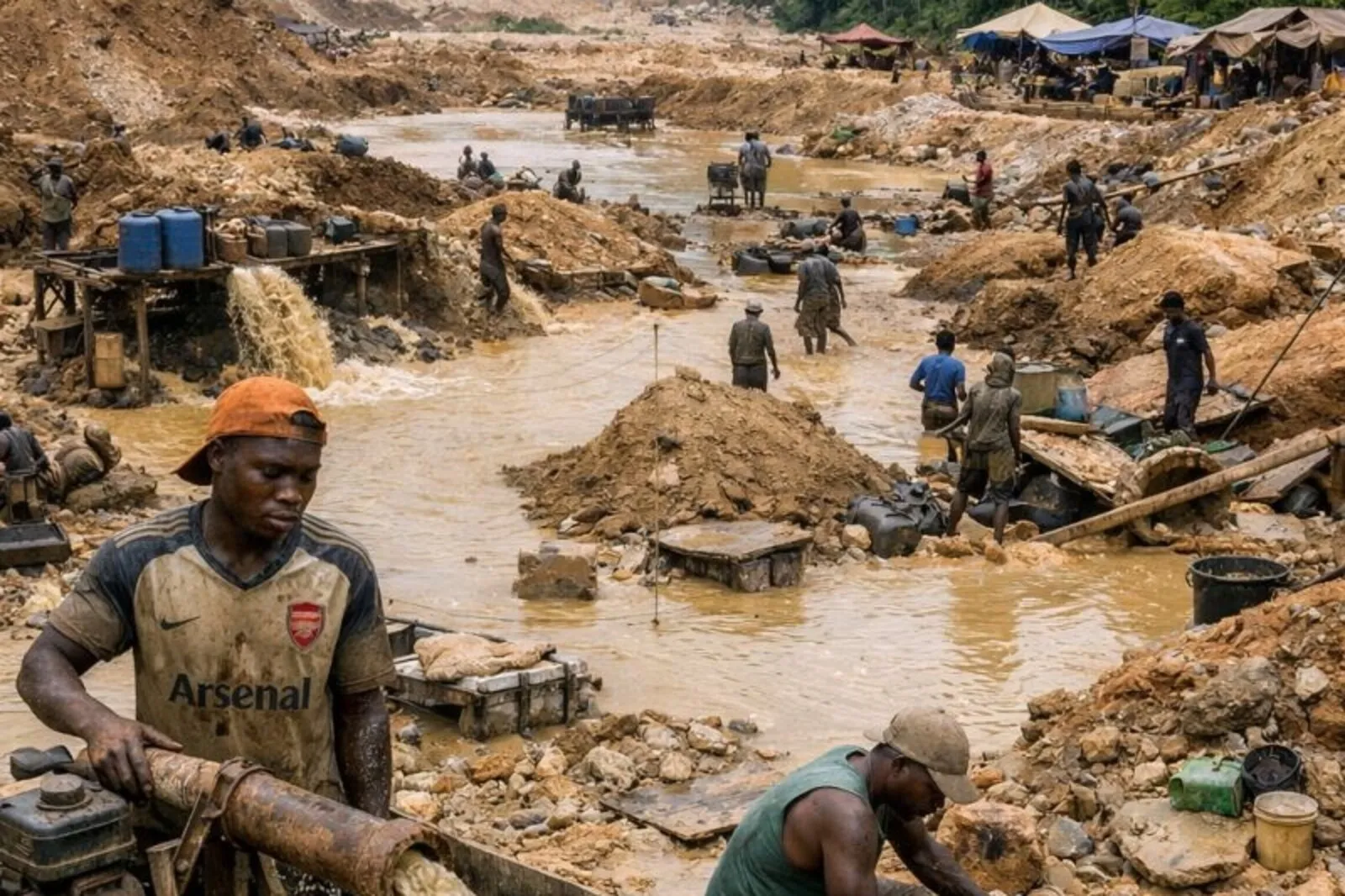
Source water is part of the water program. Illegal mining, illegal dumping, unregulated extraction, deforestation, and unpermitted industrial discharge are degrading rivers and streams across the region — and the treatment plant downstream pays for it in chemistry, downtime, and public-health risk. PGP runs the full restoration lifecycle: enforcement support, watershed remediation, and long-term monitoring with the communities that live alongside the catchment.

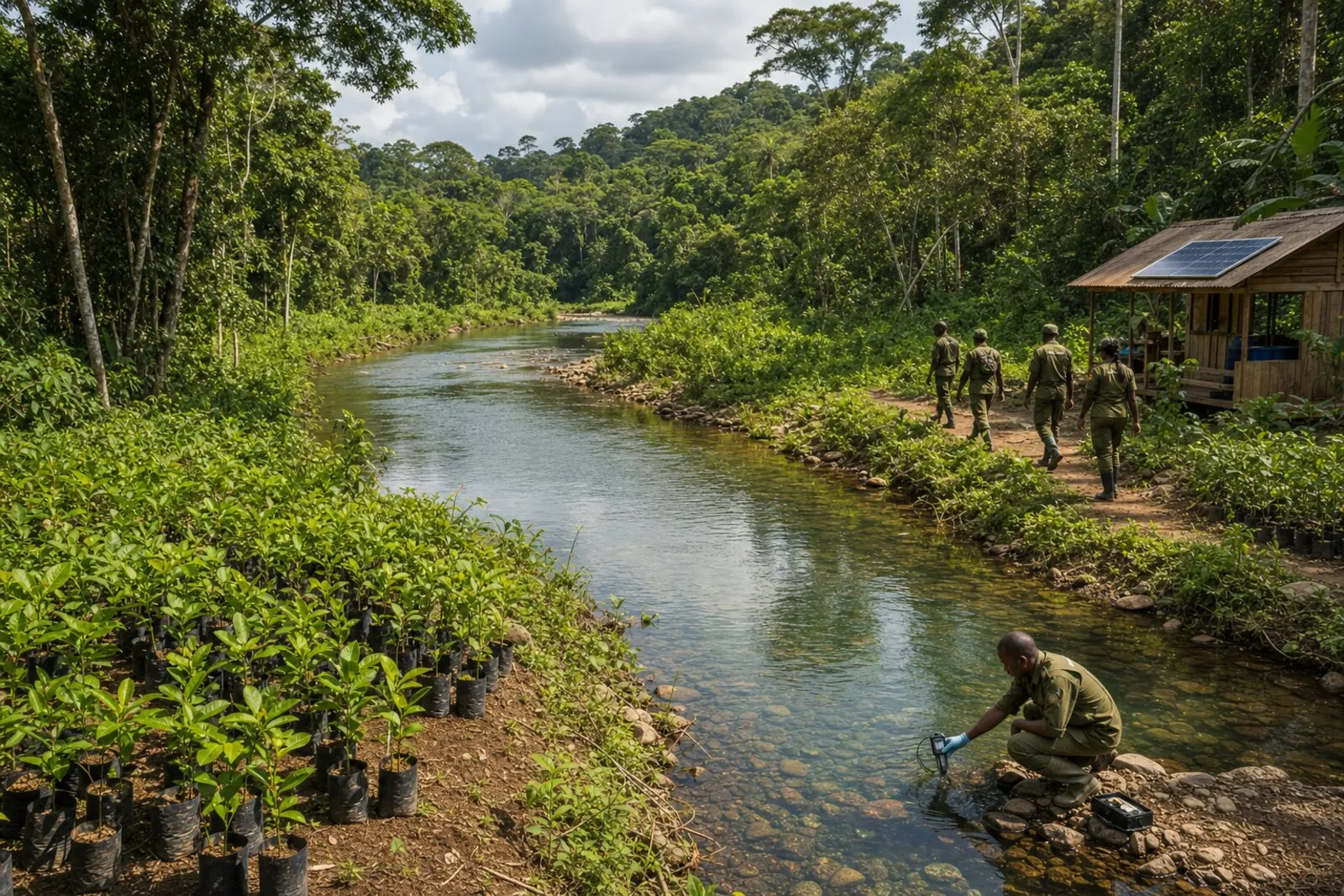
Drag the handle to compare. Reference imagery: small-scale illegal gold mining (“galamsey”) on a forested river system in West Africa.

01

Enforcement support

We work alongside the agencies responsible for source-water protection — mapping active illegal mining and dumping sites, building remote-sensing change-detection layers, and standing up the field workflows rangers and inspectors need to interdict and document.

  • Satellite and drone change-detection over watershed areas
  • Site mapping and interdiction planning support
  • Evidence handling, chain-of-custody, and case packaging
  • Inter-agency coordination playbooks (water, environment, security)
02

Watershed remediation

Engineered cleanup of the catchment itself — sediment removal, mine-pit closure, bank re-grading and reforestation, contamination assessment, and restoration of natural flow. Designed so the river can carry water that treatment plants downstream are built to handle.

  • Sediment removal and dredging program design
  • Mine-pit closure, backfill, and slope stabilization
  • Bank re-grading, native replanting, and erosion control
  • Soil and water contamination assessment (mercury, heavy metals, hydrocarbons)
  • Restoration of flow regime and aquatic habitat
03

Monitoring & community stewardship

A restored river is only restored if it stays that way. We stand up the long-term monitoring layer — in-stream sensors, community water-quality teams, and reporting that flows back to the agencies and into the SCADA picture for the treatment plants that draw from the source.

  • In-stream water-quality monitoring stations (turbidity, pH, metals, DO)
  • Community ranger and citizen-monitor programs
  • Catchment dashboards integrated with utility SCADA
  • Public reporting and regulator submissions
  • Tree nurseries and replanting cycles run by local communities
Threats we work against
  • Illegal small-scale mining in and around rivers (galamsey-style operations)
  • Illegal dumping — municipal, industrial, and clinical waste in waterways
  • Unpermitted industrial discharge into rivers and tributaries
  • Unregulated water extraction from rivers and shallow groundwater
  • Deforestation and bank degradation along the catchment
  • Agricultural runoff — fertilizer, pesticide, and livestock contamination